rolex datejust guide
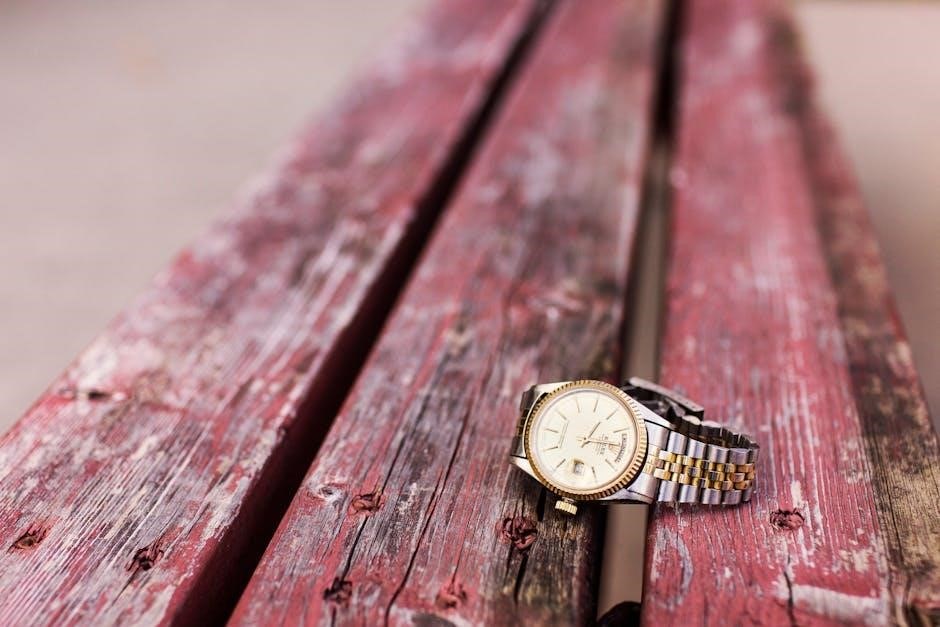
Rolex Datejust: A Comprehensive Guide
Delve into the world of Rolex Datejusts, exploring its enduring legacy and timeless appeal. This guide unveils the history, features, and value of this iconic timepiece.
The Rolex Datejust, introduced in 1945, stands as a cornerstone of Rolex’s success and a symbol of enduring luxury. It was the first self-winding wristwatch to display the date in a window on the dial, a feature now ubiquitous in modern watchmaking. This innovation, coupled with the robust Oyster case, established the Datejust as a versatile timepiece suitable for both formal and casual occasions.
Initially available in stainless steel, yellow gold, and two-tone Rolesor (steel and gold), the Datejust quickly gained popularity for its elegance and reliability. It became a favorite among those seeking a watch that could seamlessly transition from boardroom to weekend adventures. The Datejust’s design has remained remarkably consistent over the decades, a testament to its timeless aesthetic. Today, it continues to be a highly sought-after model, representing a blend of tradition and innovation within the world of horology.
Historical Significance of the Datejust
Launched in 1945, the Rolex Datejust marked a pivotal moment in wristwatch history. It wasn’t merely a new model; it represented a paradigm shift, integrating practical functionality – the automatic date change – with refined aesthetics. This innovation democratized a complication previously reserved for more expensive watches, making it accessible to a wider audience.
The Datejust quickly became a symbol of post-war prosperity and aspirational style. It graced the wrists of influential figures, solidifying its status as a cultural icon. Throughout the decades, the Datejust has consistently evolved, adapting to changing tastes while maintaining its core identity. Its enduring appeal lies in its ability to represent both heritage and modernity, a timeless classic that continues to resonate with watch enthusiasts and collectors worldwide. It truly embodies Rolex’s commitment to precision and elegance.
The Datejust’s Role in Watchmaking History
The Rolex Datejust fundamentally altered the landscape of watchmaking, establishing new standards for wristwatches. Its introduction of the automatic date function, displayed through the Cyclops lens, was a groundbreaking achievement. This seemingly small detail elevated the Datejust beyond a simple time-telling device, offering enhanced practicality for daily wear.
Furthermore, the Datejust pioneered the use of Rolesor – combining stainless steel and gold – a material combination that became synonymous with Rolex. This innovation broadened the appeal of luxury watches, making them more versatile and durable. The Datejust’s consistent evolution, coupled with its unwavering commitment to quality, cemented Rolex’s position as a leader in the industry. It continues to inspire watchmakers and influence design trends, remaining a benchmark for excellence and innovation.
Key Features and Characteristics
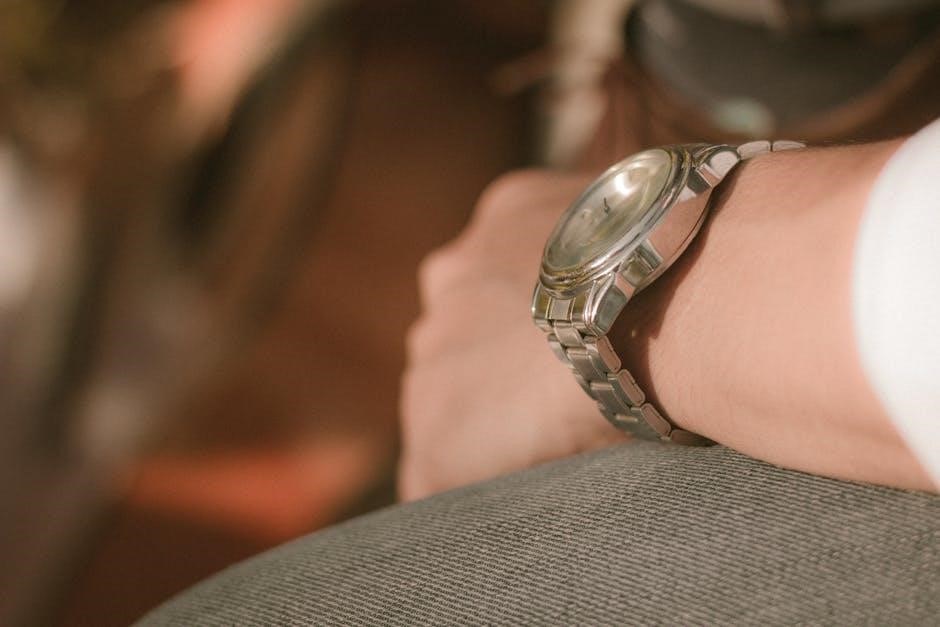
Explore the defining elements of the Datejust: its iconic fluted bezel, the Cyclops date lens, and the versatile Oyster bracelet, showcasing Rolex’s precision.
The Datejust Dial: Variations and Materials
The Datejust dial is a canvas of exquisite detail, offering a remarkable range of variations to suit every taste. Early models often featured “pie pan” dials, characterized by their subtle, inward-sloping edges, creating a captivating depth. These have since transitioned to flatter, more contemporary designs.
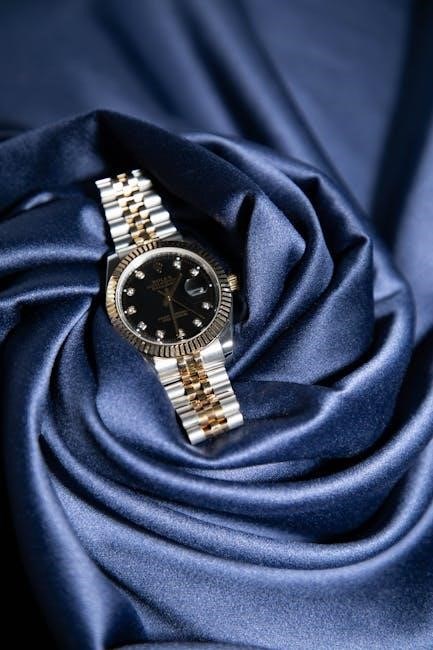
Materials are equally diverse, encompassing silver, gold, and black options, often adorned with applied hour markers. Diamond dials add a touch of luxury, with varying stone sizes and settings. The color palette extends beyond the basics, including captivating blues, grays, and even vibrant hues.
Furthermore, the dial layout can vary, with or without hour markers, and different configurations of the date window. Rolex consistently refines dial aesthetics, ensuring each Datejust dial remains a testament to their dedication to precision and elegance. The dial truly embodies the watch’s character.
The Iconic Fluted Bezel
The fluted bezel is arguably the most recognizable feature of the Rolex Datejust, a design element that transcends mere aesthetics. Originally a functional component, aiding in the bezel’s removal for movement access, it evolved into a signature of elegance and prestige. Each flute is meticulously crafted, requiring precision engineering and skilled artistry.
The fluting isn’t simply decorative; it catches the light, creating a shimmering effect that enhances the watch’s overall brilliance. This detail distinguishes the Datejust from other Rolex models and has become synonymous with the brand’s commitment to quality.
Throughout the Datejust’s history, the fluted bezel has remained remarkably consistent, a testament to its enduring appeal. It’s a subtle yet powerful design cue, instantly conveying sophistication and Rolex’s unwavering dedication to timeless style. It’s a true icon in watchmaking.

The Cyclops Lens and Date Function
The Datejust’s defining characteristic, beyond its elegance, is its date function, prominently displayed at the 3 o’clock position. This feature, introduced in 1945, revolutionized wristwatches, making the date easily readable at a glance. The key to this legibility is the Cyclops lens, a slightly convex magnifier positioned over the date window.
Rolex meticulously engineered the Cyclops lens to magnify the date 2.5 times, ensuring clarity for all users. This seemingly small detail demonstrates Rolex’s dedication to practicality and user experience. The Cyclops isn’t merely an add-on; it’s an integral part of the Datejust’s design.
Over the years, the Cyclops lens has undergone subtle refinements, but its core function remains unchanged. It’s a symbol of Rolex’s innovation and commitment to providing a functional and aesthetically pleasing timepiece.
Oyster Bracelet and Rolesor Options
The Rolex Datejust offers a versatile range of bracelet and metal combinations, catering to diverse tastes and lifestyles. The Oyster bracelet, renowned for its robustness and comfort, is a popular choice, featuring a design that’s both elegant and secure. Its construction ensures a snug fit and enduring durability, making it ideal for daily wear.
However, the Datejust truly shines with its “Rolesor” options – a signature Rolex aesthetic. Rolesor combines stainless steel with gold (yellow, white, or Everose), offering a luxurious yet understated look. This blending of metals provides enhanced scratch resistance and a distinctive visual appeal.
These combinations allow wearers to personalize their Datejust, reflecting their individual style. Whether opting for the classic Oyster or the refined Rolesor, the bracelet significantly contributes to the watch’s overall character.

Datejust Generations and References
Explore the evolution of the Datejust through its various references, from the early 1601 to modern 36mm and 41mm models, each with unique characteristics.
Reference 1601: The Early Datejust
The Reference 1601 marks a pivotal moment in Datejust history, representing the model’s long-running production from 1957 to 1977. This generation solidified the Datejust’s design language, establishing many of the features still recognized today. Initially, the 1601 featured a manually-wound movement, the caliber 727, later transitioning to the automatic caliber 1575 in the late 1960s.
Distinguishing characteristics include its engine-turned “pie pan” dial, a subtle yet elegant detail that offered variations in color and marker styles. The fluted bezel, a Rolex signature, was consistently present, adding a touch of refinement. Cases were available in stainless steel, yellow gold, and white gold.
Enthusiasts appreciate the 1601 for its vintage charm and relative affordability compared to later references. It represents an accessible entry point into the world of vintage Rolex collecting, offering a genuine piece of watchmaking history. Finding a well-preserved example with original parts is highly sought after.
Reference 16013: The Rolesor Classic
The Reference 16013, produced from approximately 1969 to 1988, embodies the elegance of Rolex’s “Rolesor” concept – combining stainless steel and gold. Typically featuring a stainless steel case with a gold fluted bezel, it offered a luxurious aesthetic without the full commitment of a solid gold watch. This blend proved incredibly popular, making the 16013 a highly desirable vintage Datejust.
A key advantage of the 16013, particularly later iterations, is the inclusion of a quickset date function, allowing for easier adjustment of the date without repeatedly winding the crown. It utilized the caliber 3035 automatic movement, known for its reliability and accuracy.

The 16013 represents a sweet spot for collectors, offering a retro Datejust with a practical quickset date at a reasonable price point. Variations exist with different dial colors and materials, adding to its collectibility. It’s a timeless piece showcasing Rolex’s mastery of materials and design.
Modern Datejust References (36mm, 41mm)
Rolex’s contemporary Datejust collection centers around two primary case sizes: 36mm and 41mm. The 36mm, a long-standing staple, maintains the classic proportions favored by many enthusiasts. The 41mm, introduced in 2019, offers a bolder, more contemporary presence for those preferring a larger watch.
Both sizes feature the latest generation of the Datejust, incorporating the caliber 3235 movement – a significant upgrade offering increased accuracy and a longer power reserve. Modern dials showcase a variety of finishes and materials, including sunray, diamond-set, and olive green options.
These references continue the Datejust tradition of Rolesor combinations, alongside solid gold and platinum models. The newer 41mm models also boast an improved bracelet and case geometry, enhancing comfort and wearability. They represent the evolution of an icon, blending heritage with modern innovation.
Materials and Metal Options
Rolex Datejusts showcase diverse materials, including stainless steel, yellow gold, white gold, and platinum. Rolesor blends steel and gold for a luxurious aesthetic.
Stainless Steel Datejust Models
Stainless steel Datejusts represent a cornerstone of the collection, offering a blend of durability, versatility, and classic Rolex style. These models provide an accessible entry point into the world of Datejust ownership without compromising on quality or prestige. The Oystersteel, Rolex’s proprietary stainless steel alloy, is exceptionally resistant to corrosion and maintains its luster even in challenging conditions.
Historically, stainless steel Datejusts were often paired with a fluted bezel, a signature Datejust design element, and offered with a variety of dial options. Modern stainless steel Datejusts continue this tradition, available in both 36mm and 41mm case sizes. They frequently feature the Jubilee or Oyster bracelet, further enhancing their appeal.
The enduring popularity of stainless steel Datejusts stems from their ability to seamlessly transition from casual to formal settings, making them a truly all-purpose luxury watch. Their relative affordability compared to gold or platinum models also contributes to their widespread appeal among collectors and enthusiasts.
Yellow Gold, White Gold, and Platinum Options
Rolex Datejusts crafted in precious metals – yellow gold, white gold, and platinum – represent the pinnacle of luxury and refinement. These models exude an air of sophistication and are often chosen to commemorate significant milestones. Yellow gold Datejusts offer a warm, traditional aesthetic, while white gold provides a contemporary, understated elegance;
Platinum Datejusts, the rarest and most exclusive, possess a unique greyish-white hue and a denser weight. They are distinguished by subtle details, such as the engraved rehaut and the platinum dial. Each precious metal option is available with a variety of dial colors and bracelet styles, allowing for extensive personalization.
The inherent value of the materials used contributes to the higher price point of these Datejusts, but also enhances their long-term investment potential. These models are often considered heirlooms, passed down through generations, symbolizing enduring style and lasting value.
Rolesor: Combining Steel and Gold
Rolesor, a signature Rolex aesthetic, elegantly blends the durability of Oystersteel (904L stainless steel) with the warmth and prestige of gold. This unique combination, pioneered by Rolex, offers a versatile and sophisticated look, striking a balance between sporty robustness and luxurious appeal. Typically, Rolesor Datejusts feature a gold fluted bezel, crown, and bracelet center links, paired with a steel case and outer bracelet links.
The most common Rolesor combinations include steel and yellow gold, or steel and white gold, though variations exist. This approach provides a more accessible entry point into the world of precious metal Rolexes, without sacrificing the brand’s renowned quality and craftsmanship.
Reference 16013, a classic example, remains highly sought after by collectors. Rolesor Datejusts offer a timeless style that transcends fleeting trends, making them a popular choice for everyday wear and special occasions.
Price and Value

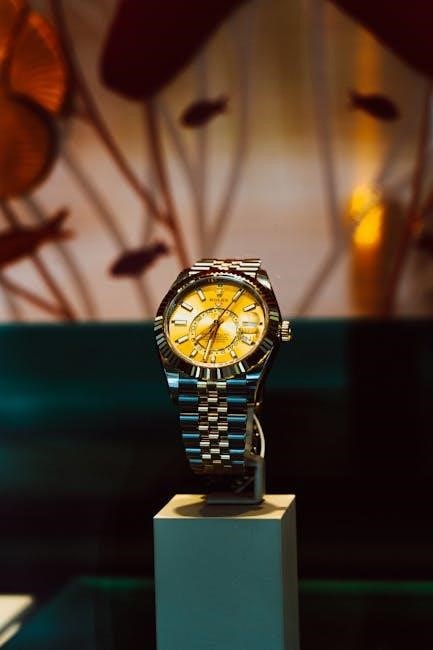
Datejust pricing varies widely, from approximately $7,000 USD to nearly $20,000 USD in 2026, influenced by metal, condition, and market demand.
Current Market Prices (2026)
As of April 30th, 2026, the Rolex Datejust market presents a diverse price range, reflecting variations in model year, materials, and condition. Stainless steel Datejusts generally begin around $7,000 USD, extending upwards based on age and specific features. Rolesor models, combining steel and gold, typically command prices between $9,000 and $15,000 USD.

Full gold Datejusts, particularly those in yellow or white gold, can range from $16,000 to over $20,000 USD. Platinum Datejusts represent the highest price tier, often exceeding $25,000 USD. Newer 41mm models generally fetch a premium compared to the classic 36mm versions. Pre-owned prices are also influenced by factors like box and paper availability, service history, and overall aesthetic appeal. It’s crucial to consult reputable dealers and auction houses for the most up-to-date valuations.
Factors Influencing Datejust Value
Several key elements dictate a Rolex Datejust’s value. Rarity plays a significant role; limited edition dials or unique configurations command higher prices. The watch’s condition is paramount – original, unpolished examples are highly sought after. Completeness, including the original box and papers, substantially increases value.
Metal type also impacts pricing, with platinum models consistently exceeding steel or gold. The specific reference number, particularly those from desirable eras like the 1601 and 16013, contribute to collectibility. Market trends and overall economic conditions also exert influence. Furthermore, a documented service history from Rolex enhances trust and value. Finally, the quickset date feature found in later references is a desirable attribute for many collectors.
Investment Potential of the Datejust
The Rolex Datejust has historically demonstrated strong investment potential. Pre-owned models, particularly those from the 2010s, have seen significant appreciation, sometimes exceeding initial purchase prices. While not guaranteed, the Datejust’s enduring popularity and Rolex’s brand prestige contribute to its resilience in the luxury watch market.
Certain references, like the 16013 Rolesor, are particularly attractive to collectors, driving up demand. However, investment requires careful consideration of market fluctuations and condition. Purchasing from reputable sources and maintaining the watch’s originality are crucial. Though retail price increases occur annually, the secondhand market often reflects a premium for well-preserved examples, making it a potentially sound long-term store of value.
Buying a Rolex Datejust
Navigating the purchase of a Datejust requires diligence; Explore authorized dealers and the secondhand market, prioritizing authenticity verification and careful inspection for optimal value.
Authorized Dealers vs. Secondhand Market
Choosing where to purchase a Rolex Datejust presents a significant decision. Authorized Dealers (ADs) offer the assurance of a brand-new watch with the full manufacturer’s warranty, and the confidence of complete authenticity. However, demand often exceeds supply, potentially leading to waiting lists and limited model availability. Prices are typically retail, reflecting the premium associated with a new watch and the AD experience.
The secondhand market, conversely, provides a wider selection and potentially more accessible pricing. Platforms and reputable pre-owned watch dealers offer a diverse range of Datejust references, vintages, and conditions. However, careful due diligence is crucial. Authenticity verification becomes paramount, requiring expertise or professional appraisal to avoid counterfeits or watches with replaced parts. While potential savings exist, prices can fluctuate based on market conditions and the watch’s specific characteristics. Thorough research and a trusted source are essential for a successful secondhand purchase.
Authenticity Verification
Ensuring the authenticity of a Rolex Datejust is paramount, especially when considering the secondhand market. Begin by scrutinizing the dial – Rolex’s printing is exceptionally crisp and precise. Examine the coronet (Rolex crown logo) for sharpness and correct proportions. The cyclops lens should magnify the date exactly 2.5 times. Inspect the movement, if possible; genuine Rolex movements exhibit meticulous finishing and precise engineering.
Pay close attention to the bracelet and clasp, verifying the quality of the metal and the secure fit. Check the serial and model numbers, ensuring they align with Rolex’s production records. A reputable watchmaker or authenticator can provide a professional assessment, utilizing specialized tools and expertise. Beware of suspiciously low prices, as they often indicate a potential issue. Thorough research and a cautious approach are vital to avoid purchasing a counterfeit or compromised timepiece.
What to Look for When Purchasing
When acquiring a Rolex Datejust, meticulous inspection is crucial. First, verify the completeness of the package – original box, papers, and warranty card significantly enhance value and confirm authenticity. Assess the condition of the case and bracelet, noting any excessive wear or damage. Examine the dial for signs of aging, restoration, or inconsistencies.
Confirm the watch’s functionality, ensuring accurate timekeeping and smooth operation of the date function. Request a service history to understand the watch’s maintenance record. Consider the specific reference number and its corresponding features, aligning them with your preferences. Finally, compare prices across different sources to gauge fair market value and avoid overpaying. A pre-purchase inspection by a qualified watchmaker is highly recommended.



Leave a Reply
You must be logged in to post a comment.