hmmwv tm pdf army

HMMWV TM PDF Army: An Overview
Anchorage, Alaska’s largest city, serves as a gateway to wilderness adventures, blending urban life with stunning natural beauty and cultural experiences.
Understanding the HMMWV
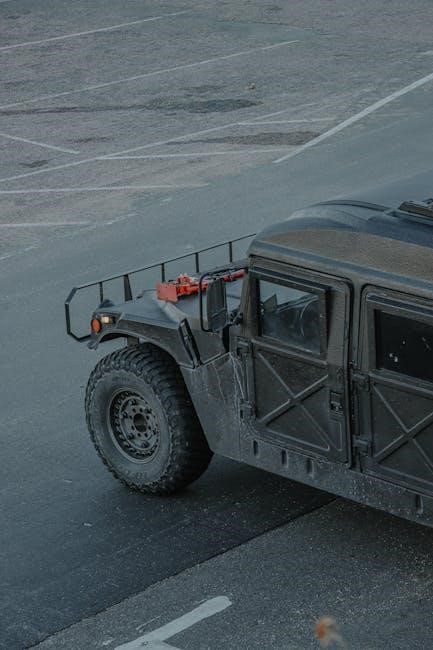
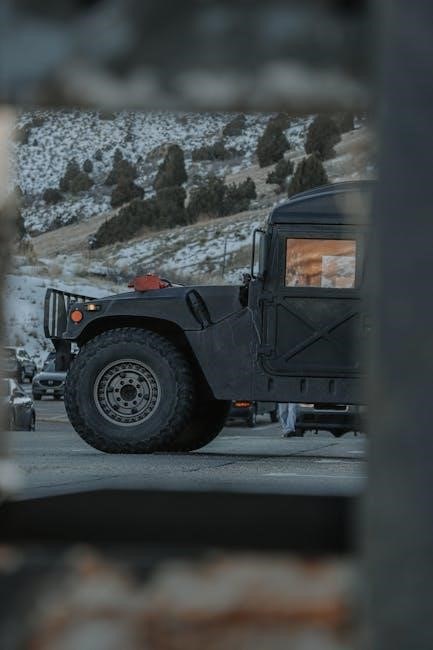
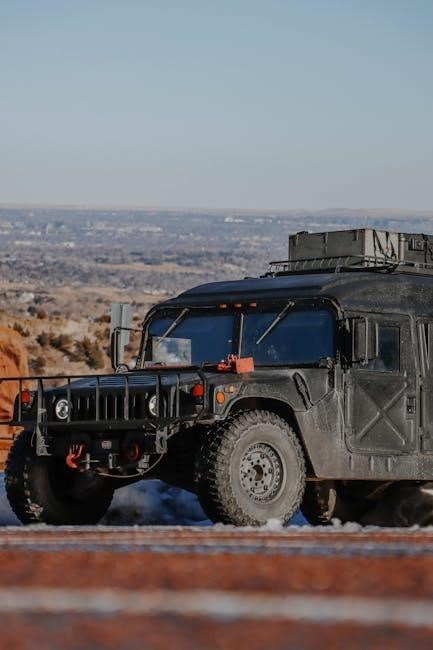
The High Mobility Multipurpose Wheeled Vehicle, or HMMWV – often referred to as the “Humvee” – is a remarkably versatile, four-wheel drive military vehicle. Designed primarily for personnel and cargo transport, it quickly became integral to numerous roles, including weapons platforms and ambulance services. Its robust construction allows operation across diverse terrains, from rugged mountains to challenging desert environments.
Anchorage, Alaska, provides a fitting parallel; it’s a versatile hub offering access to vast, varied landscapes. Like the HMMWV’s adaptability, Anchorage blends urban amenities with immediate access to wilderness. Understanding the HMMWV requires recognizing its core function: reliable mobility in demanding conditions. Similarly, Anchorage offers a reliable base for exploring Alaska’s challenging, beautiful terrain.
What is a TM (Technical Manual)?
A Technical Manual (TM) is a comprehensive, officially-authored document detailing the operation, maintenance, and repair procedures for a specific piece of equipment – in this case, the HMMWV. These manuals are crucial for military personnel and technicians, providing step-by-step instructions, diagrams, and safety precautions. They ensure consistent and correct procedures are followed, maximizing equipment lifespan and operational readiness.
Consider Anchorage’s museums, like the Anchorage Museum, which meticulously document Alaskan history and culture – a parallel to a TM’s detailed documentation. Just as a museum preserves knowledge, a TM preserves vital technical information. TMs aren’t simply instruction guides; they are essential for safe and effective utilization of complex machinery, mirroring the careful planning needed for Alaskan expeditions.
The Importance of PDF Format for TMs
PDF (Portable Document Format) is the standard for distributing HMMWV Technical Manuals due to its universal accessibility and preservation of formatting. Unlike editable documents, PDFs ensure the manual appears identically on any device, preventing accidental alterations to critical procedures. This consistency is paramount for safety and operational effectiveness, much like the reliable access Anchorage provides to Alaska’s diverse landscapes.
PDFs also allow for efficient storage and sharing, mirroring how Anchorage serves as a central hub for Alaskan exploration. The format’s compression capabilities reduce file sizes, facilitating easy distribution. Furthermore, PDFs support embedded images and diagrams, vital for complex repair instructions, similar to the panoramic views offered from Anchorage’s scenic trails.
HMMWV Technical Manuals: Specifics
Anchorage, a starting point for Alaskan adventures, parallels the HMMWV manuals’ role in vehicle operation; each model variation requires a dedicated technical guide.
HMMWV Model Variations and Corresponding Manuals
Just as Anchorage offers diverse experiences – from glacier viewing to wildlife encounters – the HMMWV family boasts numerous variants, each demanding specific technical documentation. Early models, like the M998, have distinct manuals compared to later iterations such as the M1165.
These manuals aren’t one-size-fits-all; they meticulously detail the unique components and systems of each HMMWV configuration. For instance, a manual for a vehicle equipped with a specific weapon mount will differ significantly from one detailing a general transport version. Understanding these distinctions is crucial for accurate maintenance and repair. The manuals cover everything from engine specifics to specialized equipment installation, mirroring Anchorage’s blend of urban and wild offerings – a comprehensive guide for every scenario.
Locating Official HMMWV TM PDFs
Similar to finding the best trails around Anchorage, sourcing official HMMWV Technical Manuals (TMs) in PDF format requires navigating specific channels. The primary source is the Army Publishing Directorate (APD), offering a centralized repository for authorized publications. However, access often requires a valid Common Access Card (CAC) for authentication.
Government websites and specialized military resource portals can also yield results, though verifying authenticity is paramount. Beware of unofficial sources offering potentially outdated or inaccurate information. Just as a guided tour enhances an Anchorage experience, utilizing verified sources ensures you have the correct and current documentation for safe and effective HMMWV maintenance and operation. Diligence is key to avoiding misinformation.
Common HMMWV TM PDF Sections
Exploring Anchorage reveals diverse attractions; similarly, HMMWV TMs are structured for comprehensive coverage. Expect sections detailing component descriptions, step-by-step maintenance procedures, troubleshooting guides, and exploded views for parts identification. Illustrated parts breakdowns are crucial, akin to a detailed map of Anchorage’s attractions.
Safety precautions, tool lists, and specific warnings are consistently present. Appendices often include torque specifications, wiring diagrams, and logistical information. Like a visitor’s guide to Alaska’s wildlife, these manuals prioritize safety and clarity. Understanding these common sections streamlines the repair process and ensures adherence to military standards, maximizing vehicle operational readiness and minimizing downtime.
Key HMMWV Systems Covered in TMs
Anchorage offers glimpses of glaciers and wildlife; HMMWV TMs meticulously detail engine, powertrain, brake, and steering systems for optimal performance.
Engine and Powertrain Manuals
Anchorage, surrounded by spectacular mountains and overlooking Cook Inlet, provides a unique blend of urban convenience and untamed wilderness. Similarly, HMMWV engine and powertrain manuals offer incredibly detailed insights into the vehicle’s core functionality. These technical manuals comprehensively cover all aspects of the engine, from routine maintenance like oil changes and filter replacements to complex procedures such as complete engine overhauls and diagnostic troubleshooting.
They meticulously detail the fuel system, cooling system, and exhaust system, ensuring operators and mechanics understand every component. Powertrain manuals extend this coverage to the transmission, driveshafts, and axles, providing step-by-step instructions for inspection, repair, and component replacement. Understanding these systems, much like appreciating Anchorage’s diverse landscape, is crucial for sustained operation and reliability.
Transmission and Drivetrain Manuals
Anchorage offers easy access to trails and parks, mirroring the HMMWV’s capability to traverse diverse terrains. HMMWV transmission and drivetrain manuals are essential for maintaining this capability. These documents provide exhaustive details on the vehicle’s transmission, transfer case, driveshafts, axles, and differentials. They cover everything from fluid level checks and gear adjustments to complete transmission rebuilds and differential repairs.
Detailed diagrams and exploded views illustrate component locations and assembly procedures, while troubleshooting guides assist in diagnosing and resolving common drivetrain issues. Like exploring the vastness of Denali Park, these manuals unlock a deep understanding of the HMMWV’s power transfer system, ensuring optimal performance and longevity in challenging conditions. Proper maintenance, guided by these manuals, is key.
Brake System Manuals
Anchorage’s stunning scenery demands safe travel, much like the HMMWV requires a fully functional brake system. HMMWV brake system manuals are critical for maintaining stopping power and vehicle control. These manuals detail the hydraulic brake system, including master cylinders, brake lines, calipers, and rotors, as well as the parking brake mechanisms. They provide step-by-step instructions for inspecting, diagnosing, and repairing brake components.
Troubleshooting charts help pinpoint issues like brake fade or uneven wear, while detailed diagrams illustrate the system’s layout and component interactions. Similar to navigating Anchorage’s roads, these manuals ensure the HMMWV’s braking system operates reliably in all conditions. Proper brake maintenance, guided by these resources, is paramount for safety and operational readiness.
Steering System Manuals
Anchorage offers diverse trails, requiring precise navigation – mirroring the HMMWV’s need for a responsive steering system. HMMWV steering system manuals cover the entire steering mechanism, from the steering wheel and column to the power steering pump, hydraulic lines, steering gear box, and tie rods. These manuals provide detailed procedures for inspecting, adjusting, and repairing steering components, ensuring accurate vehicle control.
Troubleshooting guides address issues like wandering steering or excessive play, while exploded views illustrate component assembly and disassembly. Just as exploring Alaska demands a reliable vehicle, these manuals guarantee the HMMWV’s steering functions optimally. Proper maintenance, as outlined in these resources, is vital for safety and mission effectiveness.

Maintenance Procedures Detailed in TMs
Anchorage’s rugged terrain necessitates consistent vehicle upkeep; similarly, HMMWV TMs detail scheduled checks, troubleshooting, and component work for peak performance.
Scheduled Maintenance Checks
Anchorage, a city embracing both urban comforts and untamed wilderness, mirrors the HMMWV’s operational demands – requiring diligent, planned maintenance. Technical Manuals (TMs) meticulously outline these scheduled checks, ensuring optimal vehicle readiness. These aren’t merely suggestions; they are critical procedures, categorized by operational hours or mileage.
Expect detailed instructions for fluid level inspections (engine oil, coolant, brake fluid, power steering fluid), filter replacements (air, fuel, oil), lubrication of critical components, and thorough examination of belts, hoses, and tires. TMs specify precise intervals for each task, preventing premature wear and potential failures. Furthermore, they detail inspection points for the chassis, suspension, and electrical systems, guaranteeing a safe and reliable operational capability, much like preparing for Alaskan adventures.
Troubleshooting Common HMMWV Issues
Anchorage’s unpredictable weather, much like the varied terrains an HMMWV encounters, demands robust troubleshooting capabilities. HMMWV Technical Manuals (TMs) provide systematic diagnostic procedures for frequently occurring problems. These range from engine starting difficulties and transmission slippage to brake system malfunctions and electrical faults.
TMs employ flowcharts and detailed diagrams to guide technicians through a logical process of elimination, pinpointing the root cause of the issue. They specify diagnostic tests, utilizing multi-meters and specialized tools, to verify component functionality. Importantly, TMs detail corrective actions, including parts replacement procedures and adjustments. This ensures swift and effective repairs, minimizing downtime and maintaining operational readiness, mirroring the self-reliance needed in Alaska’s remote landscapes.
Component Removal and Installation
Anchorage, a hub for Alaskan exploration, requires meticulous preparation – much like HMMWV component work. Technical Manuals (TMs) offer step-by-step instructions for removing and installing HMMWV parts, crucial for maintenance and repair. These procedures aren’t simply lists; they’re detailed guides with exploded diagrams illustrating each stage.
TMs specify the required tools, torque specifications, and safety precautions. They emphasize proper sequencing to avoid damage and ensure correct functionality. From engine disassembly to brake caliper replacement, each task is broken down into manageable steps. This precision is vital, mirroring the careful planning needed for navigating Alaska’s challenging terrain. Following TM procedures guarantees a secure and reliable repair, essential for operational effectiveness.
Safety Precautions When Using HMMWV TMs
Anchorage’s wild landscapes demand respect; similarly, HMMWV TMs require careful adherence to safety guidelines, warnings, and tool usage protocols for protection.
General Safety Guidelines
Anchorage, a city nestled amidst breathtaking Alaskan wilderness, exemplifies the need for preparedness and caution – principles directly applicable to utilizing HMMWV Technical Manuals (TMs). Always prioritize a clean, well-lit workspace when referencing these documents. Ensure adequate ventilation, especially when dealing with information pertaining to fluids or hazardous materials.
Before commencing any maintenance or repair procedure detailed within a TM, thoroughly read and understand all instructions, warnings, and safety precautions. Never attempt a task if you are unsure of any step or lack the necessary training and tools. Proper personal protective equipment (PPE), including eye protection, gloves, and appropriate clothing, is mandatory. Maintain situational awareness and be mindful of potential hazards in the surrounding environment. Treat all components as potentially energized or hazardous until proven otherwise.
Specific Hazards and Warnings

Anchorage’s rugged terrain mirrors the potential dangers inherent in HMMWV maintenance, demanding strict adherence to TM warnings. High-voltage systems pose a significant electrocution risk; always disconnect the battery before working on electrical components. Fuel and lubricants are flammable – avoid open flames and ensure proper ventilation.
Hydraulic systems operate under extreme pressure; never loosen connections until pressure is fully relieved. Rotating parts, such as fans and pumps, can cause severe injury; ensure they are stationary before approaching. Be aware of pinch points during component removal and installation. The TMs detail specific warnings regarding the handling of hazardous materials, including asbestos (in older models) and lead-acid batteries. Ignoring these warnings can result in serious injury or environmental damage. Always consult the TM for detailed hazard information related to each specific task.
Tool and Equipment Safety
Anchorage’s adventurous spirit necessitates reliable tools, much like HMMWV maintenance demands proper equipment handling. Always inspect tools before use, discarding damaged or worn items. Utilize the correct tool for each task; improvisation can lead to damage and injury. Power tools require strict adherence to safety protocols, including wearing appropriate eye and ear protection.
Hydraulic lifts and jacks must be used on level surfaces and within their rated capacity. Ensure lifting devices are stable before raising or lowering loads. Torque wrenches are crucial for proper fastener tightening; avoid over- or under-tightening. Personal Protective Equipment (PPE), such as gloves and safety glasses, is mandatory. The TMs specify required tools and equipment for each procedure, emphasizing safe operation and maintenance. Proper tool storage prevents accidental damage and ensures accessibility.
Accessing and Utilizing HMMWV TM PDFs
Anchorage offers diverse experiences, mirroring the need for accessible HMMWV manuals; PDF viewers and search functions unlock vital technical information efficiently.
Software Required to Open and View PDFs
To effectively access and utilize HMMWV Technical Manuals (TMs) in PDF format, specific software is essential. Adobe Acrobat Reader is the industry standard, providing robust viewing, searching, and printing capabilities – and it’s often freely available. Alternative PDF readers, such as Foxit Reader or SumatraPDF, offer similar functionality with potentially smaller file sizes and faster loading times.
However, some advanced features, like editing or form filling, may require a paid version of Adobe Acrobat Pro or equivalent software. Ensure the chosen software is compatible with your operating system (Windows, macOS, etc.). Given the potentially large file sizes of comprehensive HMMWV TMs, a computer with sufficient RAM and processing power is also recommended for smooth navigation and optimal performance. Regularly updating your PDF reader ensures compatibility and security.
Navigating Large PDF Documents
HMMWV Technical Manuals (TMs) are often extensive documents, requiring effective navigation strategies. Utilize the PDF reader’s built-in table of contents for quick access to specific sections. The bookmark feature allows you to save frequently accessed pages for rapid retrieval. Employ the zoom function to adjust the viewing scale for detailed examination of diagrams or schematics.
Mastering the search function is crucial; use keywords related to the component or system you’re investigating. Many PDF readers offer advanced search options, like searching within comments or specific page ranges. Regularly updating your PDF viewer ensures optimal performance with large files. Consider using a computer with ample RAM for smoother scrolling and faster page loading times when dealing with these substantial manuals.
Searching for Specific Information Within TMs
Efficiently locating information within HMMWV TMs relies heavily on utilizing the PDF reader’s search capabilities. Begin with precise keywords – component names, part numbers, or symptom descriptions – to narrow down results. Employ Boolean operators (AND, OR, NOT) to refine searches; for example, “brake AND inspection” yields more targeted results.
Consider variations in terminology; the TM might use different terms than you expect. Utilize wildcard characters (e.g., “*” or “?”) to account for unknown words or spellings. If initial searches are unsuccessful, broaden your keywords or explore related sections within the table of contents. Remember that diagrams and illustrations are often referenced by figure numbers, which can also be searched.
Legal Considerations Regarding HMMWV TMs
Accessing these manuals is subject to copyright restrictions and authorized use policies, potentially raising security concerns regarding distribution and sensitive military data.
Copyright and Distribution Restrictions
HMMWV Technical Manuals (TMs), even in PDF format, are protected under copyright law, typically held by the U.S. Government, specifically the Department of the Army. Unauthorized reproduction, distribution, or alteration of these documents is strictly prohibited. This includes scanning physical copies and sharing them online without explicit permission.
The intent behind these restrictions is to maintain control over technical data related to military equipment, preventing potential compromise of operational capabilities or safety. Distribution is generally limited to authorized personnel within the military and approved contractors. Violations can lead to severe legal penalties, including fines and imprisonment.
Furthermore, publicly available versions may be outdated or incomplete, potentially leading to incorrect maintenance procedures and safety hazards. Always rely on officially sourced and current TMs for accurate information.
Authorized Access and Usage
Access to official HMMWV Technical Manuals (TMs) in PDF format is primarily granted to U.S. military personnel actively involved in the maintenance, operation, and support of these vehicles. Authorized contractors working directly with the Army also receive access as part of their contractual obligations. Access is typically controlled through secure government networks and requires appropriate authentication credentials.
Usage is restricted to purposes directly related to HMMWV maintenance, repair, and operational procedures. Dissemination to unauthorized individuals or use for commercial gain is prohibited. Personnel are expected to adhere to strict security protocols when handling these documents, safeguarding them from unauthorized disclosure or modification.
Proper training on the content and safe usage of the TMs is crucial for effective and secure implementation.
Potential Security Concerns
The widespread availability of HMMWV Technical Manuals (TMs) in PDF format presents several security concerns. Detailed schematics and maintenance procedures could potentially be exploited by adversaries to compromise vehicle systems or develop countermeasures. Unauthorized access to TMs can reveal vulnerabilities in vehicle design and operational capabilities.
Furthermore, the digital nature of PDFs makes them susceptible to cyber threats, including malware and unauthorized modification. Compromised TMs could contain malicious code or altered instructions, leading to equipment damage or personnel injury.
Strict access controls, robust cybersecurity measures, and regular updates to TMs are essential to mitigate these risks and protect sensitive information.
Resources for HMMWV TM Information
Anchorage’s museums, like the Anchorage Museum, offer insights into Alaskan history and culture, while scenic viewpoints provide breathtaking panoramic vistas.
Army Publishing Directorate
The Army Publishing Directorate (APD) stands as the primary official source for accessing and downloading U.S. Army technical manuals, including those pertaining to the HMMWV. APD meticulously manages the lifecycle of these documents, ensuring they remain current, accurate, and readily available to authorized personnel. Anchorage, with its unique blend of urban convenience and access to vast wilderness, mirrors the APD’s commitment to providing essential resources in a readily accessible format.
Navigating the APD website requires understanding its cataloging system and search functionalities. Users can typically filter searches by vehicle type (HMMWV), specific model, and relevant manual series. The APD frequently updates its digital library, reflecting changes in HMMWV systems and maintenance procedures. Like exploring the diverse attractions of Anchorage, finding the correct TM requires focused effort and familiarity with the available resources.
Access may require a Common Access Card (CAC) for authentication, reinforcing security protocols.
Online Forums and Communities
Numerous online forums and communities dedicated to military vehicles, particularly the HMMWV, serve as valuable, albeit unofficial, resources for locating and discussing technical manuals. These platforms often host user-submitted collections of TM PDFs, alongside discussions regarding troubleshooting, maintenance, and modifications. Much like Anchorage connects people to Alaska’s vast landscapes, these forums connect enthusiasts with shared interests and knowledge.
However, caution is paramount when utilizing these sources. The authenticity and currency of documents found on forums cannot always be guaranteed. Cross-referencing information with official sources, such as the Army Publishing Directorate, is crucial. Anchorage’s blend of urban and wild necessitates preparedness; similarly, forum-sourced TMs require verification.
Active participation in these communities can yield valuable insights and assistance from experienced HMMWV owners and mechanics.
Government Websites
Official government websites represent the most reliable source for authentic HMMWV Technical Manuals (TMs) in PDF format. The Army Publishing Directorate (APD) is the primary repository, offering access to a wide range of military publications, including those pertaining to the HMMWV. Navigating these sites can sometimes be complex, requiring specific search terms or publication numbers.
Similar to how Anchorage provides access to Alaska’s diverse attractions, these websites unlock access to crucial technical documentation. However, access restrictions may apply, often requiring registration or specific authorization levels. It’s essential to verify the document’s revision date to ensure it reflects the latest updates and modifications.
Regularly checking these sites for updates is recommended, as TMs are periodically revised to incorporate new information and address identified issues.



Leave a Reply
You must be logged in to post a comment.